
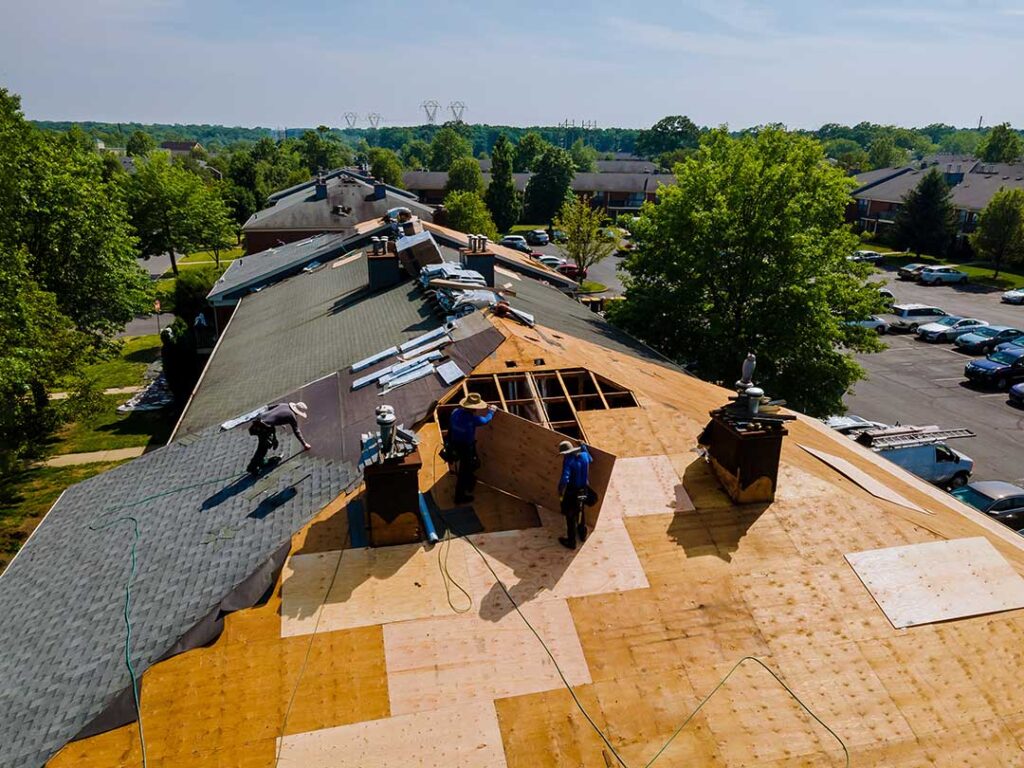
What Questions Do Residents in East Syracuse, NY Have About Roofing Durability?
Homeowners frequently ask which roofing materials stand up best against the varied weather found in East Syracuse, NY. Durability means not just standing up to stormy falls and snowy winters, but also holding up over years without constant repairs. This article examines which materials provide the most long-lasting protection for local homes, factoring in regional climate and typical home styles.
Which Roofing Materials Last the Longest in Areas Like East Syracuse?
For local homes, the most durable roofing options are usually slate, metal, and clay or concrete tile. These have proven records of long service lives well beyond 40 years, even in climates with freeze-thaw cycles and seasonal storms.
- Slate: Natural stone roofs can last 75 to 100+ years if installed correctly. Slate is extremely hard, resists water, and won’t rot. Some slate roofs in the Northeast have outlasted the houses beneath them.
- Metal: Standing seam metal roofing and heavy-gauge metal shingles may last 40–70 years or longer. Metal sheds snow rapidly, which benefits homes facing regular snowfall.
- Clay or Concrete Tile: While less common on historic homes in the city, these materials last 50–100 years and resist insects, mold, and the freeze-thaw cycle.
Asphalt shingles, despite their popularity, generally last about 15–30 years before needing replacement. Architectural (laminated) asphalt shingles may last longer than basic 3-tab versions.
How Do Local Weather Conditions Affect Roofing Durability?
East Syracuse’s seasonal variety—long winters, heavy snow, summer storms, and rapid temperature swings—puts special stress on roofs. Materials that don’t absorb water, resist wind damage, and shed snow easily tend to perform the best in this climate.
- Freeze-thaw cycle: Materials prone to cracking or absorbing moisture may disintegrate faster. Slate and metal do especially well because they hardly absorb water.
- Snow load: Roofs must be strong enough to support heavy snow. Steeper pitches and smooth surfaces (like metal) shed snow better. Flat roofs or lightweight materials may need extra reinforcement.
- Wind and hail: Occasional windstorms or hail are best handled by heavy, interlocking materials like tile, newer impact-resistant asphalt shingles, or properly anchored metal panels.
Are There Disadvantages or Misconceptions About the Most Durable Roofing Options?
Even the longest-lasting materials have trade-offs, and not every durable roof is right for every house.
- Weight: Concrete tile and natural slate weigh several times more than asphalt shingles. Homes may need structural upgrades to bear this load.
- Installation expertise: Some materials require experienced installers. Poor installation reduces any roof’s lifespan, regardless of its makeup.
- Cost: Durability often means a higher initial investment, though the total lifetime cost may be lower if replacements are infrequent.
- Appearance: Local regulations or neighborhood associations in some city areas may limit materials for historical consistency.
A common misconception is that all metal roofs are noisy during rain or hail. Modern metal roofing over solid decking is usually not significantly louder than other roof types.
What About Composite or Synthetic Roofing Materials?
Newer composite and synthetic options, designed to look like slate, shake, or tile, offer a compromise between durability, weight, and cost. Many of these products last 30–50 years, resist impact, and require less structure reinforcement than stone. Longevity varies by product, so always compare specific ratings and warranties.
How Does Roof Maintenance Influence Durability?
Material choice matters, but longevity also depends on regular care and prompt repairs. For example:
- Removing debris and moss prevents water dams on any roof type.
- Clearing gutters helps avoid leaks and ice dams during East Syracuse winters.
- Checking for broken, missing, or loose parts after storms ensures that small issues don’t shorten the lifespan.
Well-maintained asphalt shingle roofs often outlast poorly cared-for premium materials.
Are Certain Durable Roofing Types Better Suited for Older or Historic Homes?
East Syracuse has a number of historic properties with unique architectural features. Matching the original roof material (such as slate or wood shake) can preserve the home’s character and sometimes its value. Some modern materials mimic the look of tradition, but it’s important to check for compatibility with both structure and historical guidelines.
What Roof Types Are Most Popular Locally, and Why?
Asphalt shingles remain the most widely used due to their affordability and reasonable lifespan. However, metal roofs have become more popular, especially for homeowners planning to stay long-term and interested in avoiding another replacement in their lifetime. Slate is occasionally seen, particularly on older or custom homes.
Residents often choose based on cost, home design, and willingness to maintain or reinforce their roof structure.
How Should Households Compare Lifespan Versus Upfront Costs?
It’s practical for area homeowners to weigh upfront investment against potential savings in repairs, insurance, and replacement. A roof lasting 60+ years, although more costly at first, may mean never facing another full replacement.
Questions to consider:
- How long do you plan to stay in your home?
- Can the current structure support heavier options?
- Are there neighborhood restrictions on roof appearance?
- Is extreme weather protection a top concern for your property?
Evaluating priorities helps narrow the choices to the most suitable material for your situation, rather than seeking a generic “most durable” option.
