

How Does a Roof Leak Impact Your Home’s Structure?
A leaking roof exposes more than just your attic to water. Over time, unnoticed leaks can gradually compromise critical elements of a home’s structure, leading to costly and sometimes irreversible damage. In East Syracuse, NY, where changing weather can test a roof’s durability, understanding the risks helps residents safeguard their homes.
Water’s Path Through a Home
When water sneaks in through missing shingles, cracked flashing, or worn sealant, it doesn’t always drip straight down. Instead, water often travels along rafters, insulation, and wall cavities. These less-visible pathways mean a leak can affect distant parts of the house before anyone notices visible stains or drips.
What Are the First Signs of Damage?
Small leaks may go unnoticed for weeks or even months after water first enters the structure. The earliest signs inside an East Syracuse home may include:
- Brown stains on ceilings or walls, especially after heavy rainfall or melting snow
- Peeling paint or bubbling plaster
- Warped or sagging sections of wood in the attic or ceiling
Residents sometimes assume minor staining comes from condensation or plumbing, but undetected roof leaks are a leading cause, especially during winter thaws and early spring.
How Do Leaks Weaken Wood Framing and Attic Structures?
Prolonged moisture exposure is a major threat to wood strength. When rafters, trusses, or the roof deck absorb water, several problems can develop:
- Repeated wetting and drying cycles cause wood to swell and shrink, eventually warping and splitting beams.
- Damp environments invite wood rot — a fungal decay that eats away at the wood’s fibers, reducing the load-bearing capacity of joists and rafters.
- In the cold East Syracuse climate, leaks during late winter can freeze inside attic spaces, expanding cracks and worsening structural strain.
These effects may take years to become severe, but regular leak exposure accelerates damage, potentially leading to sagging roofs and even partial collapse in extreme cases.
Can a Roof Leak Cause Foundation Problems?
While it may not seem connected, persistent roof leaks can indeed have an impact far beyond the attic. Here’s why:
As water drips into insulation and wall cavities, it can travel down inside walls, soaking into wall studs and eventually pooling at the base of the home. Especially in older East Syracuse houses with basement foundations, this increases humidity and promotes cracks or settling in the foundation over time.
Heavy rainfall, snow melt, and seasonal freeze-thaw cycles common to the area make local basements particularly vulnerable to moisture intrusion from above.
Does a Leaking Roof Increase the Risk of Mold and Indoor Air Issues?
Roof leaks are one of the most common causes of hidden mold growth in local homes. When moisture seeps into warm, dark spaces behind walls or under flooring, mold can quickly take hold.
For East Syracuse households, prevalent mold concerns include:
- Black spots on attic beams or insulation
- A persistent, musty odor
- Unexplained allergies or respiratory issues
Mold growth isn’t always visible, especially in recently built homes with layers of insulation. If indoor air feels more humid or musty after heavy storms, undetected roof leaks could be the source.
How Do Insulation and Energy Efficiency Suffer?
Waterlogged insulation loses its ability to trap heat or cool air. In colder climates such as East Syracuse, this drives up heating bills and allows heat to escape through the roof during winter.
Common issues resulting from saturated insulation are:
- Cold drafts in upper rooms, especially near ceilings
- Increased utility costs as HVAC systems work harder
- Visible frost in attic insulation during the winter months
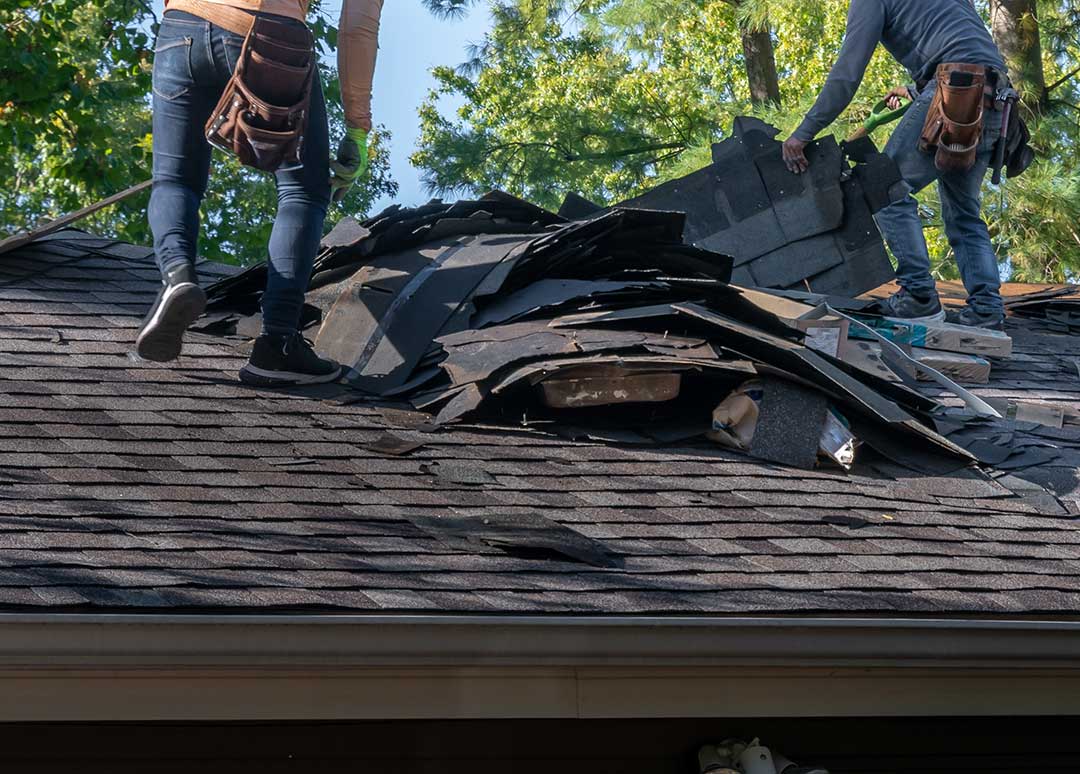
Replacing insulation affected by leaks isn’t always enough if the underlying moisture source isn’t addressed.
What About Electrical or Fire Hazards?
Persistent leaks can jeopardize more than wood and insulation. Electrical wiring, often run through attics and wall cavities, is at risk when exposed to moisture.
Potential safety issues from roof leaks include:
- Short-circuits or intermittent power failures in ceiling fixtures
- Corrosion of electrical connections, increasing fire risk
- Damp junction boxes or visible rust around attic electrical components
Homeowners should know that any sign of electrical malfunction alongside leak evidence should be treated with urgency.
Are Roof Leaks More Problematic in East Syracuse?
While roof leaks can cause damage anywhere, East Syracuse’s climate patterns increase the risk. Heavy snowfall in winter, rapid thaws, and wind-driven rain mean that even small weaknesses in a roof can quickly become pathways for water intrusion.
In addition, older homes often have less-robust moisture barriers and are more susceptible to long-term effects. Ice dams — ridge-shaped build-ups of ice along the eaves — can trap water and force it under roofing materials, leading to leaks that may only reveal themselves after the thaw.
What Preventive Steps Can Area Residents Take?
Prevention and early detection are the best defenses. Local homeowners are encouraged to:
- Check attics after heavy storms or rapid snowmelt for damp wood or insulation
- Watch for consistent ceiling stains or peeling paint in upper floors
- Ensure gutters and downspouts direct water well away from the home’s foundation
- Schedule regular roof and attic inspections, particularly heading into and out of winter
Prompt repairs to small roof vulnerabilities — like missing shingles or cracked vent boots — can prevent more extensive structural harm over time.
