
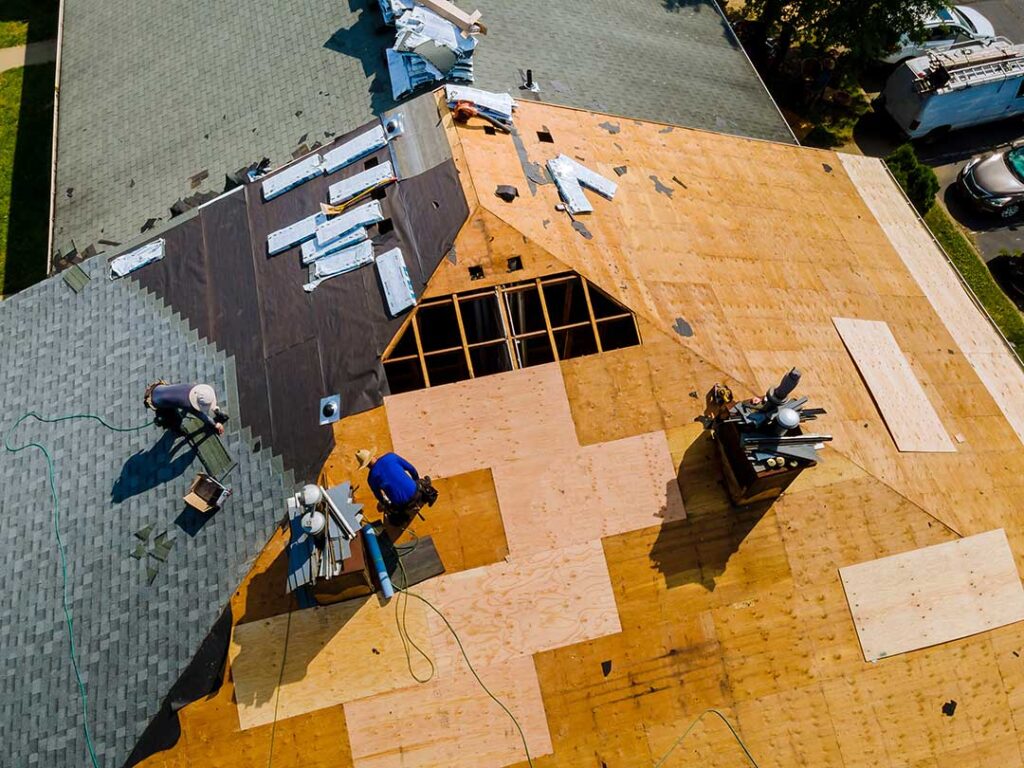
What Should Local Homeowners Check Before Hiring a Roofing Company?
Before deciding to hire any roofing company for repairs, local residents should ensure they check credentials, insurance, experience, and references. Quickly verifying a roofer's legitimacy helps protect households from unqualified or unreliable workers.
Look for the following practical checks:
- Validate state or regional licensing. New York requires contractors performing structural work like roofing to carry appropriate credentials.
- Request proof of liability insurance and workers’ compensation. This protects homeowners from financial risk if a worker is injured or property is damaged during repairs.
- Ask for evidence of recent work in homes similar to yours. Seeing real examples boosts confidence in a company's skills and reliability.
- Read testimonials from area residents, but stay skeptical of only perfect reviews.
How Can You Judge a Roofer’s Knowledge of Local Conditions?
Roofing in East Syracuse often means dealing with heavy snow, strong winds, and temperature swings typical of Central New York. Reliable companies understand these challenges and suggest repair methods that suit the local climate, housing stock, and seasonal maintenance realities.
Ask practical questions, such as:
- What types of roofing materials hold up best through ice, snow, and freeze-thaw cycles in this area?
- How do they handle repairs if the weather changes suddenly?
- Are they familiar with common roof designs in the city (like steep, asphalt-shingle roofs or flat rubber roofs on additions)?
If a roofer can't confidently discuss solutions for issues produced by ice dams, high winds, or prolonged snow cover, they may lack needed experience for the area’s homes.
What Red Flags Signal a Company May Not Be Trustworthy?
Some warning signs can help residents avoid unreliable companies. Reputable roofers do not pressure for fast decisions, refuse to answer questions, or give vague or changing price estimates.
Specific red flags include:
- High-pressure sales tactics or requests for large upfront payments
- Reluctance to provide insurance, license numbers, or clear written explanations
- Unwillingness to inspect the job site in person before quoting a price
- No permanent address or local contact information
- Insistence that permits are unnecessary, even for major repairs
Being aware of these practices helps prevent homeowners from signing up with less-than-reputable operators.
What Should a Good Roofing Estimate Include?
A thorough, written estimate ensures homeowners clearly understand the work proposed, the materials involved, and the price breakdown. This gives a clear comparison between different companies and helps avoid disputes later.
A standard roofing repair estimate should spell out:
- Exact scope of repairs (shingle replacement, flashing repair, gutter work, etc.)
- All materials and brands proposed, with quantities where relevant
- Start and projected finish dates, with a process for handling weather delays
- Labor and material costs, as well as payment timing and accepted forms of payment
- Details about warranties for both labor and materials
Never rely solely on a verbal quote or agreement. Written documentation supports clarity and accountability for both parties.
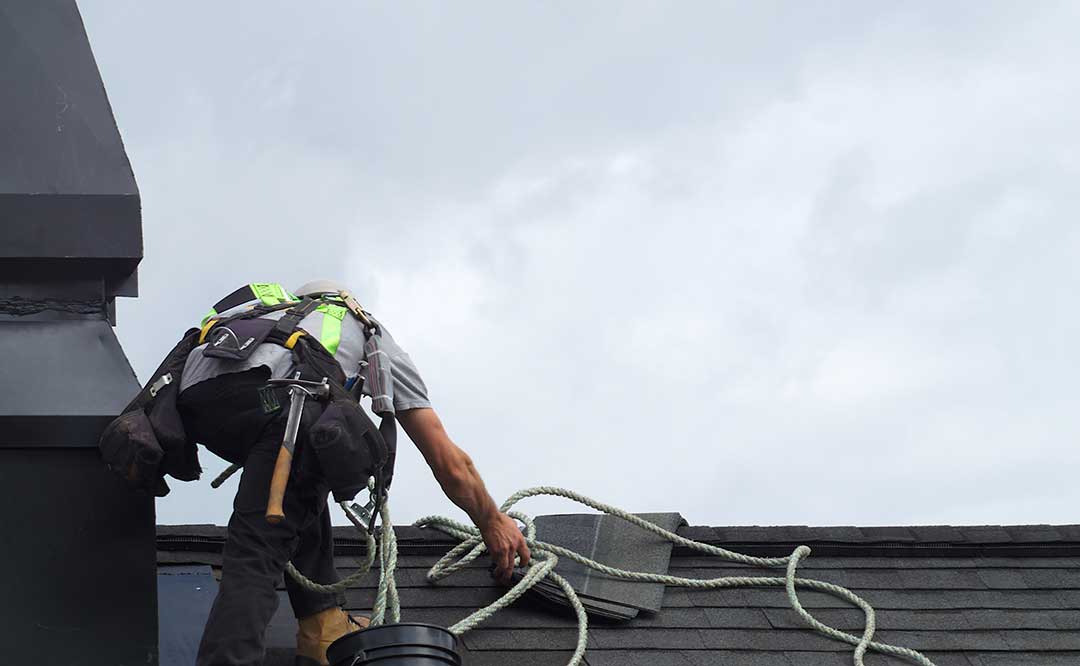
Can You Do Your Own Research on a Roofing Company?
Residents have a variety of ways to research companies beyond asking for references. Exploring online resources and community insight can help homeowners build a fuller picture of a roofer’s standing in the area.
Try these approaches:
- Search for any trade or consumer complaints lodged with local business bureaus or state agencies.
- Look for recent reviews, focusing on patterns rather than isolated complaints.
- Check if the company is involved in local organizations, associations, or community efforts.
- See how long the company has operated in the area; companies with roots in the community are usually invested in honest practices.
What is the Difference Between a Small Repair and Jobs That Require Permits?
Not every roof leak or minor shingle fix means a permit is needed; however, any structural repairs, major deck replacement, or sizable tear-offs often require approval from local building departments. East Syracuse households benefit from working with companies who understand and respect the local permitting process.
For most typical repairs (patching small leaks, single shingle patches, minor flashing adjustments) permits are not required. For more significant restoration, such as replacing large portions of roofing or altering rooflines, permits may be mandated for safety and code compliance.
Any reputable roofer should discuss permit needs openly and handle the process for you if permitting is necessary.
What Are Common Misconceptions About Roofing Repairs?
A widespread misconception is that any handyman or general contractor can handle roof repairs. In East Syracuse, the area’s climate and unique building patterns make roofing a specialized field. Work done improperly can short-circuit warranties or lead to more costly problems down the road.
Another myth is that repairs should always be put off until warmer weather. Some urgent repairs (like those following high winds or ice dams) should not be postponed, as unattended damage can grow quickly, especially with the city’s wet springs and heavy snowpack winters.
It's also worth noting that price should not be the primary factor in choosing a roofing company. The cheapest option can lead to subpar repairs, missed local code requirements, or a lack of reliable follow-up.
How Do You Know When to Insist on Professional Help?
Certain roofing repairs can be handled by capable DIYers, such as minor shingle fixes or gutter cleaning. However, residents should avoid tackling:
- Any repairs involving significant height, steep pitches, or slippery/frozen surfaces
- Structural fixes that require knowledge of roofing layers and material compatibility
- Repairs involving mold, rot, or hidden moisture issues
These situations carry real safety or code risks—professional expertise is recommended to avoid injury or further damage.
