
Can Sports Balls Really Damage Roofs in East Syracuse, NY?
Yes—sports balls, especially those from outdoor activities like basketball, soccer, football, or baseball, can cause both visible and hidden roof damage in East Syracuse, NY. Many area households have yards or driveways close to the home, and these recreational activities frequently result in balls landing on rooftops. While a few accidental tosses may seem harmless, repeated contact or hard impacts can weaken parts of the roof and lead to unintended problems.
What Types of Roof Damage Can Occur from Stray Balls?
Several types of roof damage can result from repeated or forceful impact by sports balls:
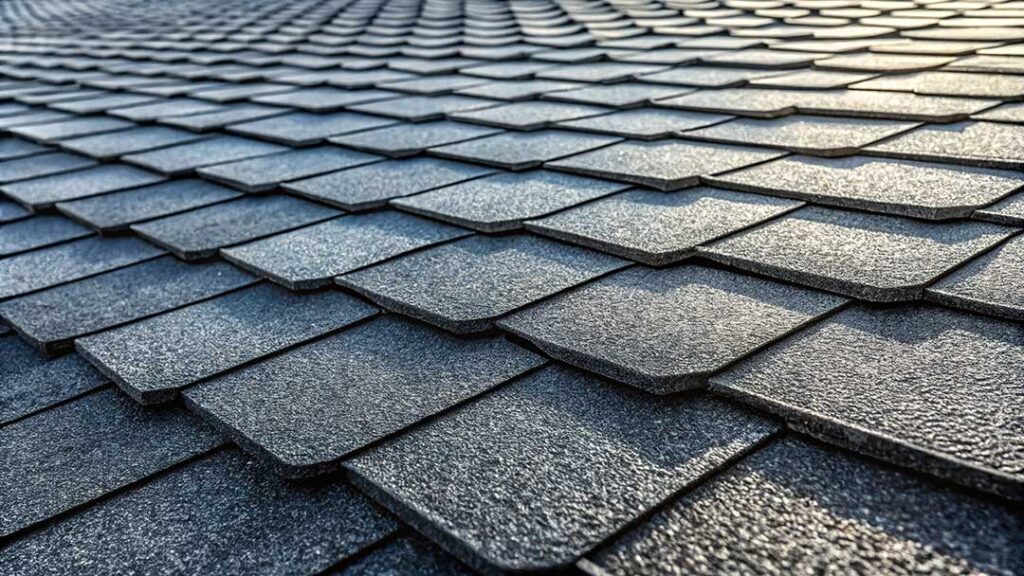
- Shingle Displacement or Cracking: Asphalt shingles, common on homes in the city, can be loosened, cracked, or lifted by balls landing or bouncing off them repeatedly. Once a shingle is compromised, water can seep underneath.
- Gutter Dents and Loosening: Balls that strike gutters or downspouts may dent the metal, bend the brackets, or gradually loosen the system. Damaged gutters are less effective at channeling water away, increasing the risk of leaks.
- Vent and Flashing Damage: Roof vents and flashing around chimneys or skylights can be bent or jarred loose by a ball hit with enough force. This can shorten the lifespan of these critical components.
- Granule Loss: Shingles are coated in protective granules. Repeated impact from heavy balls may gradually strip these away, leaving shingles more vulnerable to UV rays and rain.
- Hidden Water Entry: Even minor damage, often invisible from the ground, can create small entry points for moisture. In the humid or wet conditions common during spring and fall in East Syracuse, undetected leaks may develop into mold or wood rot.
Which Types of Balls Are Most Likely to Cause Roof Problems?
Residents often ask which specific sports or play equipment pose the biggest risk. Generally, harder and heavier balls cause more damage, but frequency of impact matters too.
- Baseballs and Softballs: Small, dense, and often traveling at high speed, these can chip or crack shingles, or lodge under flashing.
- Basketballs: Heavier balls that tend to hit roofs with force, especially if thrown from a driveway near the home.
- Soccer Balls and Footballs: Less dense but still capable of impact damage, particularly if kicked upward with velocity.
- Smaller Toys (e.g., golf balls, lacrosse balls): While less common, these can cause dings and may get wedged in gutters, contributing to clogs.
Frequent play near the house increases the risk. Over time, even lighter rubber, foam, or plastic balls may lead to cumulative wear, especially on older roofs.
How Do Local Weather and Roofing Styles Affect the Risk?
East Syracuse experiences a climate that includes cold winters, rainy springs, and humid summers. Each season interacts with roof conditions differently:
- Winter and Spring: Freeze-thaw cycles magnify tiny cracks and shingle displacement caused by ball impacts. Water entering these small gaps can freeze, expand, and worsen the damage.
- Summer: Sun exposure and heat may make shingles more brittle, increasing the chance of cracking when struck by a ball.
- Local Roofing Materials: Asphalt shingles are standard throughout the city’s residential areas; they’re durable but not designed for repeated impact. Some older homes may have slate or wood shakes, each with their own vulnerabilities.
Flat or low-pitch roofs, found on some additions and garages, may actually see more accumulation of balls and debris, leading to drainage or pooling water issues if not cleared.
How Can You Tell If Your Roof Has Been Damaged by Sports Balls?
Damage is not always obvious, especially from the ground. Some signs that could indicate issues:
- Visible shingle damage: Cracks, missing corners, or shingles that look out of place.
- Sections of exposed roofing felt or patchy shingle color: This can indicate granule loss.
- Bent, loose, or leaking gutters: Water running behind gutters or visible dents.
- Unexplained interior leaks: Water stains or damp spots on ceilings, often appearing after rain.
- Found balls or debris in gutters: This contributes to blockages and indicates frequent roof contact.
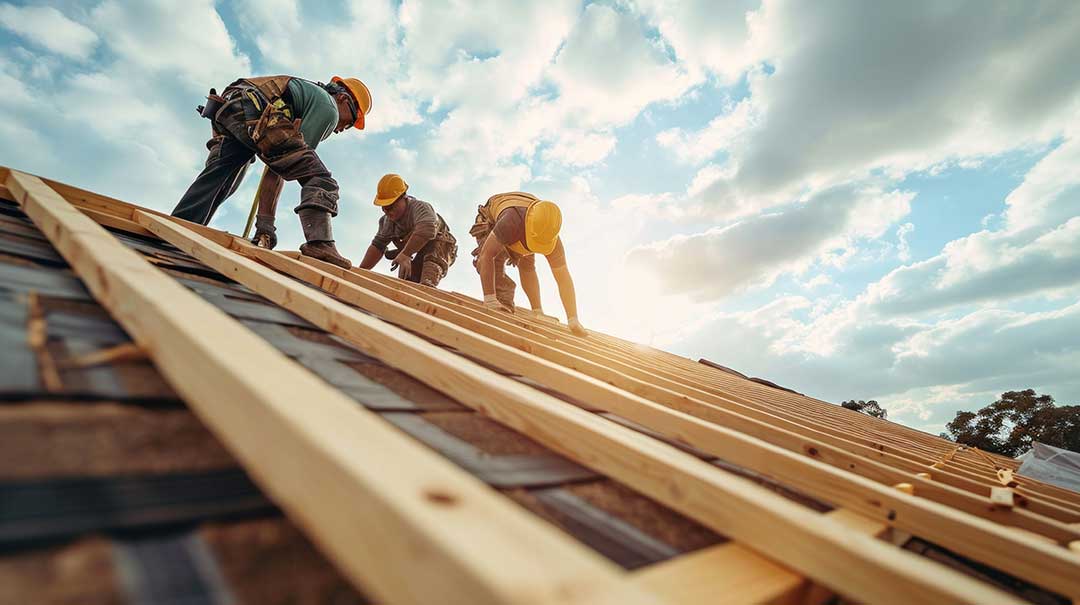
Regular checks after kids have been playing near the roof, or after a ball retrieval incident, can prevent small problems from worsening.
Are There Any Misconceptions About Sports Ball Roof Damage in East Syracuse?
A common misconception is that only large or forceful impacts matter. In reality:
- Small, repetitive impacts over months or years are often the main culprit, subtly loosening shingles or granules until a larger weather event exposes the weakened spots.
- Some believe that “modern” roofing materials are impervious to this type of minor contact, but even newer materials have thresholds for repeated wear.
- Another overlooked factor is the risk of children or adults climbing on the roof to retrieve balls, which can create its own set of hazards for both personal safety and roof integrity.
What Are Safe Practices for Families to Minimize Roof-Related Issues?
There are several practical steps area households can take to keep playtime safe for both children and roofs:
- Designate play zones away from the house: If possible, set up goals or hoops in parts of the yard facing away from primary structures.
- Check roof and gutters periodically: A visual inspection with binoculars or from the ground can catch early warning signs.
- Use roof retrieval tools, not ladders: Poles or safe retrieval devices reduce the risk of shingle damage and injury.
- Teach children about risks: Explaining to kids why balls should be kept off the roof may prevent repeated incidents.
- Clear debris after storms: Heavy winds can also blow balls, toys, and branches onto roofs, compounding the effects of playtime.
When Does Sports Ball Damage Become a Risk for Bigger Problems?
Most roofs can tolerate the occasional stray ball. However, combining minor impact damage with typical East Syracuse weather—especially ice and rainfall—can escalate issues. Water intrusion from a cracked shingle or dented flashing very rarely fixes itself. Over time, what begins as a nuisance may cause interior leaks, wood damage, mold growth, or shortened roof lifespan.
Prevention and early intervention, such as removing debris and keeping play equipment away from vulnerable spots, help keep both homes and recreational activities enjoyable and safe for families throughout the city.
