
What Is a Roof Cricket?
A roof cricket is a small, peaked structure built onto a roof to divert water around obstacles such as chimneys or skylights. Its purpose is to direct the flow of rain and melting snow, helping prevent water from pooling in vulnerable areas. In East Syracuse, NY, where winters are long and snow can be heavy, roof crickets play a particularly important role in roof longevity and leak prevention.
Crickets are usually constructed from the same materials as the main roof, ensuring they blend in while enhancing roof performance. Most often, they appear behind large chimneys or where two roof slopes meet and create an area prone to water collection.
Why Are Roof Crickets Important in East Syracuse, NY?
Roof crickets are critical in preventing water from collecting behind roof structures—a common source of leaks and deterioration in local homes. The mix of freeze-thaw cycles, lake-effect snows, and occasional heavy rain in East Syracuse makes effective water drainage especially important.
Without a cricket, water, ice, and snow can build up behind features like chimneys. Over time, standing moisture can:
- Penetrate flashing and roofing seams, leading to leaks inside attics or walls
- Accelerate the breakdown of roofing materials and underlayment
- Promote rot, mold, or mildew in decking or structural supports
For homes in this region, small design features like crickets help manage drainage even when snow starts melting after long, cold spells and water runoff increases.
Where Are Roof Crickets Most Commonly Used?
The most typical location for a roof cricket is on the uphill side of a chimney that is wider than about 24 inches. Local homes often have chimneys or roof projections that interrupt the flow of rain and snow. Crickets may also be found behind dormers or where two different roof sections meet and create valleys prone to ponding.
Some builders include crickets even for smaller chimneys or vent pipes, especially on low-slope roofs common in older sections of East Syracuse. Regulations or roofing best-practices often require them for certain chimney sizes or configurations.
How Does a Roof Cricket Work?
A roof cricket works by splitting and redirecting water so that it flows smoothly on either side of an obstruction. The peak of the cricket sits flush against the back of the chimney or roof structure, with sloping sides that guide water toward normal roof drainage paths.
In winter, crickets help minimize the buildup of snow and ice dams by preventing deep snow from piling up in the “shadow” of a roof feature. This shape allows melting water to escape rather than seep into tiny gaps created by freeze-and-thaw expansion.
What Materials and Construction Details Matter?
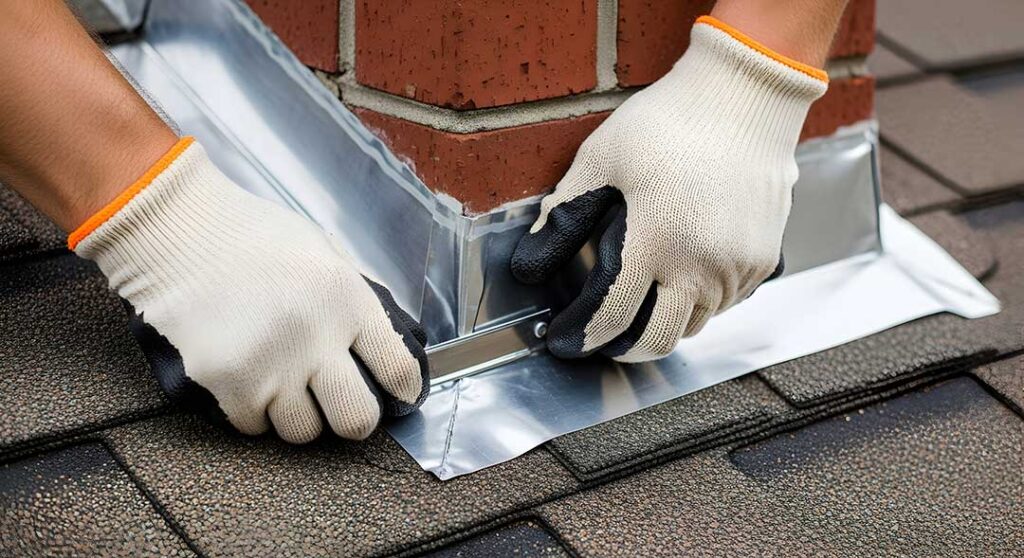
The most effective crickets are made using the same roofing material—such as asphalt shingles, metal, or slate—as the surrounding roof. Underlying each cricket is waterproof flashing, typically sheet metal, that is carefully sealed at joints.
For local homes, proper flashing installation is crucial because harsh winters quickly expose any construction shortcuts. When roofs are reshingled, it’s wise to have existing crickets checked and upgraded if needed.
High-quality flashing and solid construction matter most in these areas:
- Where the cricket meets the chimney or roof structure
- Along seams where water could find a path beneath the roofing material
- At the peak and edges of the cricket, to channel water efficiently
Are Crickets Required by Local Building Codes?
Building codes in the East Syracuse area often follow New York State’s requirements, which mandate crickets behind chimneys wider than a certain threshold (typically 30 inches). Many local builders, however, recommend crickets for smaller chimneys if the roof pitch or shape increases the risk of water or snow build-up.
Homeowners should be aware that older homes may lack crickets if roofs haven’t been updated in decades, but modern roofing standards almost always include them for larger obstructions. When in doubt, checking with city building inspectors or referencing updated state codes can clarify current rules.
What Are Signs a Home Needs a Roof Cricket?
A few indicators suggest a roof cricket might be missing or failing:
- Yearly ice or snow build-up behind roof features
- Recurring leaks after winter thaws, especially near chimneys or dormers
- Flashing that pulls away, rusts, or shows damage behind a chimney
- Signs of rot or moisture in the attic near these areas
These issues don’t always mean a cricket is needed—for example, leaks may come from flashing alone—but persistent ponding or pooling behind roof features in East Syracuse homes is often a sign.
Are There Common Misconceptions About Roof Crickets?
Some common oversights include:
- Assuming crickets are unnecessary for smaller chimneys or gentle slopes
- Believing roof crickets only matter on commercial or flat roofs
- Thinking leaks in these areas are always from the chimney itself rather than from poor drainage
Crickets are a critical detail, especially in colder climates, and are not just an “extra step” for cautious builders. Even on moderate slopes, heavy snow and rain events can reveal the need for proper drainage structures.
What Happens if a Roof Cricket Is Missing or Poorly Built?
In the East Syracuse climate, the effects of poor cricket construction can become apparent in just a few seasons. Without proper drainage, the area behind a chimney or roof projection may:
- Develop leaks leading to stained ceilings or interior water damage
- Experience more rapid shingle deterioration due to standing water
- Encourage ice dam formation, which worsens leaks as melting snow backs up under the roofing
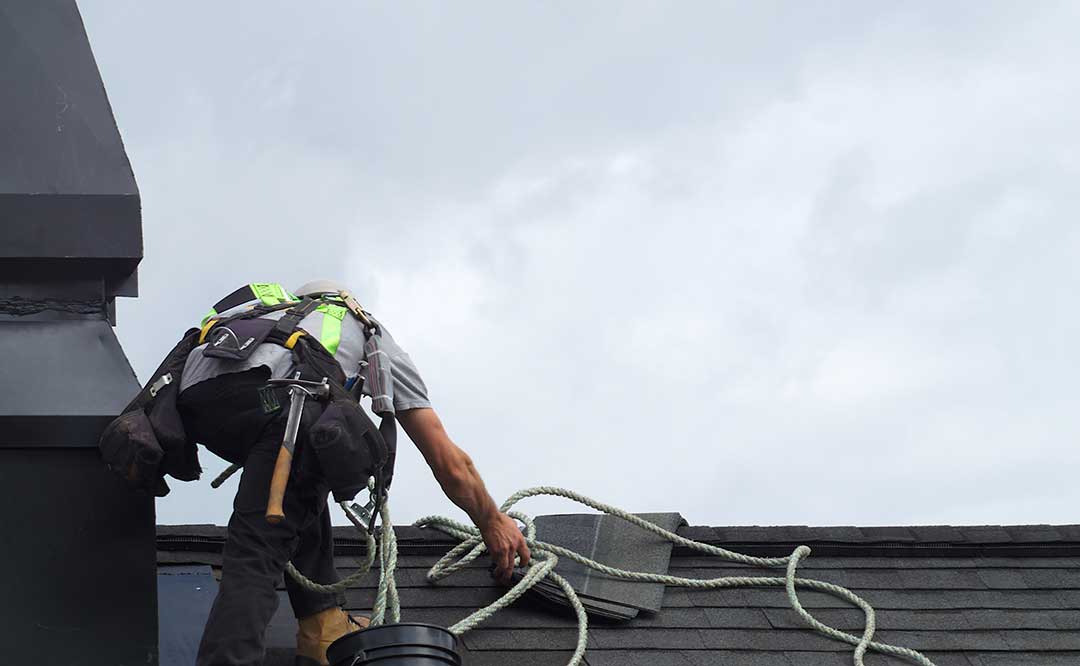
Regular roof inspections—especially after repeated winter storms—can help catch potential drainage problems early, long before interior damage appears.
