

What Are Roof Valleys and Why Do They Matter in East Syracuse, NY?
Roof valleys are the critical lines where two sloping sections of a roof meet, directing water down to the gutters. In East Syracuse, NY, where heavy snow and frequent freeze-thaw cycles are common, valleys handle concentrated runoff and are especially prone to stress and leaks. Properly functioning valleys are essential for keeping moisture out of attics, walls, and living spaces.
Typically, valleys are either "open," with visible metal flashing, or "closed," where shingles cover the seam. Each style has its own strengths and weak points, but both need regular inspection to prevent hidden water damage.
How Can You Tell If a Roof Valley Is Starting to Fail?
Failing valleys often announce themselves with subtle clues before turning into major leaks. Warning signs include:
- Discoloration or dark streaks along the valley’s length (a result of water getting under the shingles or flashing)
- Buckled, cracked, missing, or loose shingles in the valley area
- Granules from asphalt shingles accumulating in gutters near the valley exit
- Dips, sags, or deformations that trap snow and water
- Rusted, lifted, or punctured flashing if the valley is “open”
- Unusual debris buildup, such as twigs or ice dams
While many homeowners in the area associate “leaks” with obvious dripping, valley problems can quietly allow water infiltration long before any indoor signs appear.
What Does a Leak from a Roof Valley Look Like Inside the Home?
Water that sneaks through a faulty valley in East Syracuse often shows up far from the source. Evidence may include ceiling stains, peeling paint, soft spots on drywall, or musty smells near exterior walls. In some cases, water runs behind siding, only revealing itself when damage is significant.
Localized leaks tend to show up after wind-driven rain or rapid snowmelt—both common occurrences in this region.
Why Do Roof Valleys Fail More Quickly in East Syracuse?
Local weather plays a major role. Winters bring heavy, wet snow that puts extra weight and freeze-thaw stress right along valley seams. Ice dams readily form in valleys, forcing water upward and under shingles or flashing. Spring and summer aren’t much kinder: windblown debris, branch falls, and large volumes of rain all focus wear and tear on these channels.
Older homes in East Syracuse may also have construction styles or materials more vulnerable to valley breakdown, such as outdated composite flashing or improper underlayment.
Which Maintenance Habits Prevent Valley Damage in the Local Climate?
Frequent, gentle inspection from the ground—especially after storms—helps spot changes early. Residents should:
- Clear debris from valleys after leaf drop and before heavy snowfall to reduce moisture buildup
- Check attic spaces beneath valleys for damp insulation or moldy smells
- Use binoculars to look for missing shingles or flashing that appears bent or detached
- Remove small amounts of snow from valleys using a roof rake, avoiding excessive scraping
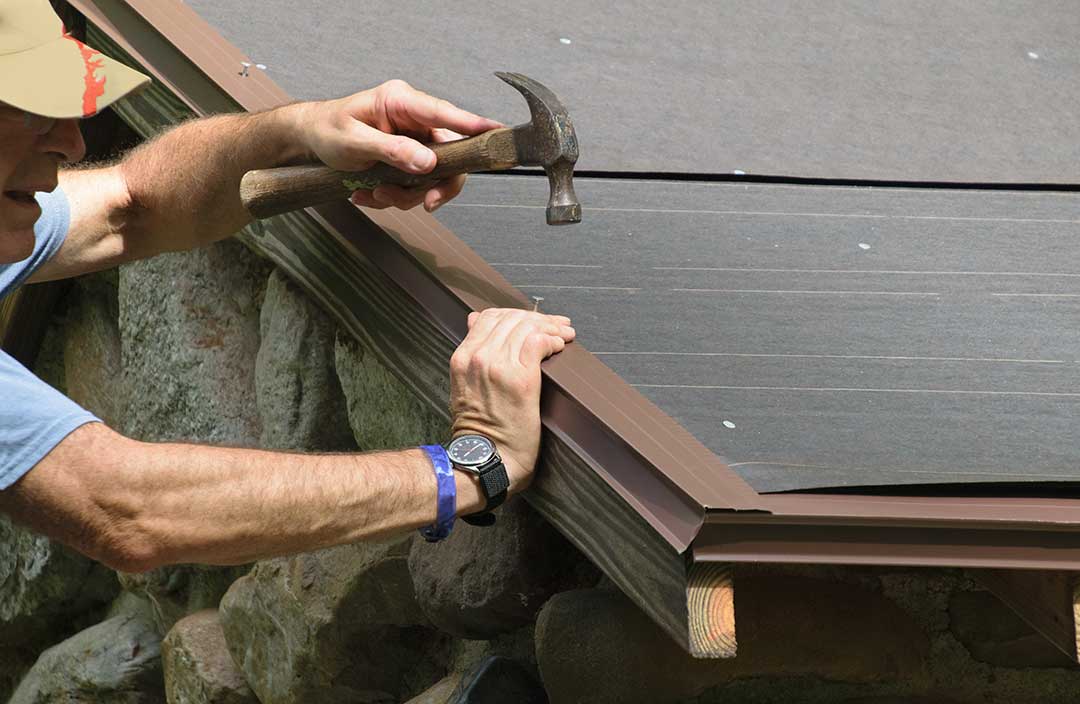
For those comfortable doing so safely, a careful visual check from a ladder (without walking directly on the valley) can make small issues easier to spot before they escalate.
Common Misconceptions About Roof Valleys in This Area
It is easy to misjudge the condition of a valley by just looking for outright leaks. Residents sometimes assume:
- If water isn't dripping inside, the valley is fine—hidden rot can develop long before the first drop appears indoors.
- All valley leaks are caused by ice dams—while ice is a major factor, improper installation, aging materials, and wind-driven rain can also open vulnerabilities.
- Open metal valleys last "forever"—even metal can corrode, especially with East Syracuse’s mix of road salt dust and alternating wet and dry seasons.
What Can Residents Do When They Suspect Their Roof Valley Is Compromised?
If a problem spot is found, restrict inspection to visual checks unless trained in roof safety. Even small failures become larger with heavy rainfall or snowmelt, especially on older or multi-layer roofs. Immediate indoor mitigation (buckets, tarps, drying the affected area) can limit secondary interior damage until the weather allows for further assessment.
Snow or ice accumulation in valleys should not be aggressively chipped or broken; this risks damaging both shingles and flashing.
Are There Overlooked Factors Unique to Roof Valleys in This Community?
East Syracuse’s varied housing stock—including historic homes with original rooflines and newer constructions—means there is no one-size-fits-all valley design or repair. Certain architectural features, like intersecting dormers or cathedral pitches, put extra pressure on valleys.
The prevalence of tall trees and wind gusts across the city also means valleys are often catch basins for twigs, seeds, and organic debris, increasing water retention and the risk of rot. Residents should factor in both their roof style and immediate surroundings when monitoring valley health.
