
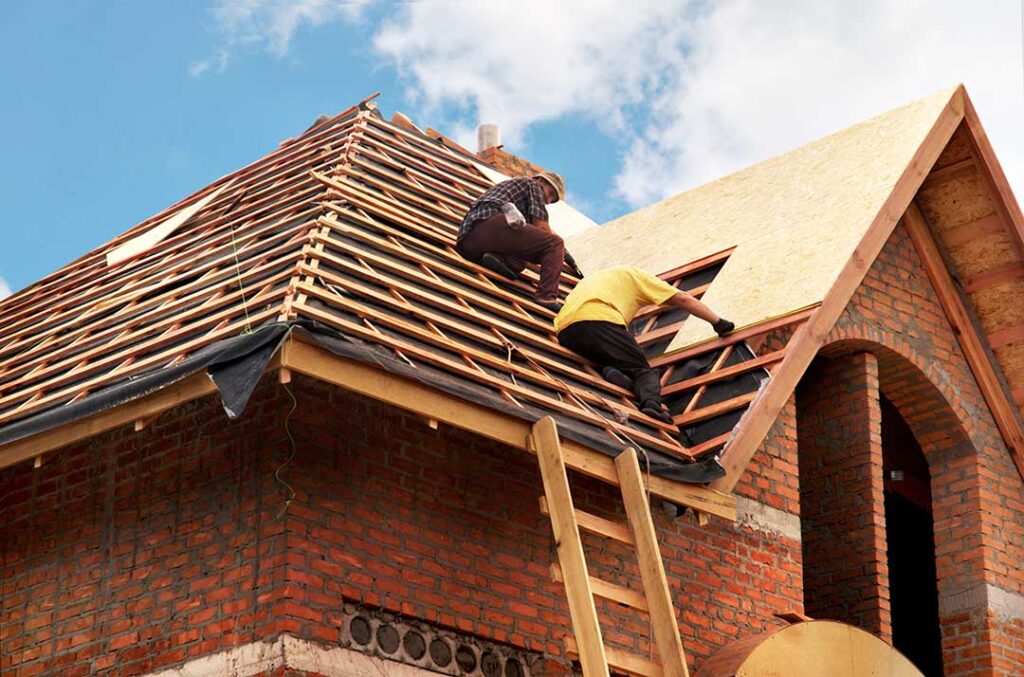
What should you do first after roof damage?
After a roofing emergency in East Syracuse, NY, the first priorities are personal safety, stopping preventable interior damage, and documenting what happened. Do not climb onto the roof during active rain, high winds, lightning, icy conditions, or when surfaces are unstable.
Start with a quick safety check inside the home:
- Move people away from rooms with sagging ceilings, active leaks, or falling debris.
- Place buckets or containers beneath drips, while avoiding electrical fixtures and outlets.
- Move furniture, electronics, rugs, and other belongings away from water.
- If water is near electrical equipment, shut off power to the affected area only if the panel can be reached safely.
- Leave the home or call emergency services if there is a fire, major structural damage, a strong gas odor, or an immediate danger to occupants.
A ceiling that is bulging from trapped water may collapse. Do not stand directly beneath it or puncture it unless a qualified responder has confirmed that doing so is safe.
How can a roof leak be temporarily controlled?
A temporary repair is intended to limit damage until permanent work can be completed. It is not a substitute for replacing missing materials, repairing flashing, or correcting structural problems.
If the roof can be viewed safely from the ground, look for obvious signs such as:
- Missing or lifted shingles
- A large branch or other object resting on the roof
- Torn sections of membrane or exposed underlayment
- Bent metal around a chimney, vent, or roof edge
- Water entering near a ceiling, wall, or attic opening
Avoid using a ladder on snow, ice, wet pavement, or uneven ground. In the region’s winter conditions, roof surfaces can remain slippery even after precipitation appears to have stopped.
A heavy-duty tarp may reduce additional water entry when installed correctly, but tarp placement on a roof is hazardous. Improvised fastening with nails, loose boards, or household objects can create more damage and may allow wind to turn the tarp into a dangerous projectile. Temporary coverings are safest when installed by someone equipped and trained to work at height.
Do not rely on caulk, roofing cement, or spray foam as a quick fix for a large opening. These materials may conceal the source of a leak without stopping water movement beneath shingles or around flashing.
Why can a leak appear far from the actual roof damage?
Roof water does not always enter directly above the visible stain. It can travel along rafters, roof decking, insulation, plumbing pipes, or electrical wiring before reaching a ceiling.
For that reason, a brown mark in an upstairs room may originate near:
- A roof valley
- A chimney or vent flashing
- An ice dam
- A damaged roof edge
- A skylight or other roof penetration
- A section of shingles several feet away
Water can also enter the attic and move down an exterior wall. Finding the first visible drip does not necessarily identify the point where the roof failed.
If conditions are safe, inspect the attic with a flashlight rather than walking across insulation. Look for wet wood, darkened sheathing, damp insulation, daylight through the roof, or water trails. Keep clear of wiring and avoid stepping between ceiling joists.
What should East Syracuse residents know about winter roof emergencies?
Snow, freezing temperatures, and repeated thawing can create several different roofing problems. Ice dams form when heat escapes into a colder roof area, melting snow above it. The water can refreeze near the eaves and back up beneath roofing materials.
Ice dams are not always caused by a single defect. Attic insulation, air sealing, ventilation, roof shape, gutter conditions, and weather patterns can all contribute.
Avoid chopping at an ice dam with a hammer, shovel, or other sharp tool. This can damage shingles, flashing, gutters, and the roof deck. Rock salt and some deicing products may also harm roofing materials, plants, masonry, and metal components.
Heavy snow should not be removed by an untrained person standing on the roof. Snow loads can also affect porches, additions, and older roof sections differently from the main structure. A roof that appears intact may still have weakened decking or concealed water damage.
When is emergency action necessary?
Some roof problems can wait for daylight and safer weather, while others require prompt attention because the damage is spreading or the structure may be unsafe.
Immediate action is especially important when:
- A large section of the roof is missing
- Water is entering near electrical systems
- The ceiling is sagging or cracking
- A tree or large limb has struck the structure
- The roof deck is visibly collapsing
- Strong winds have displaced roofing materials
- A chimney, vent, or exterior wall appears unstable
- A storm has caused widespread damage across the property
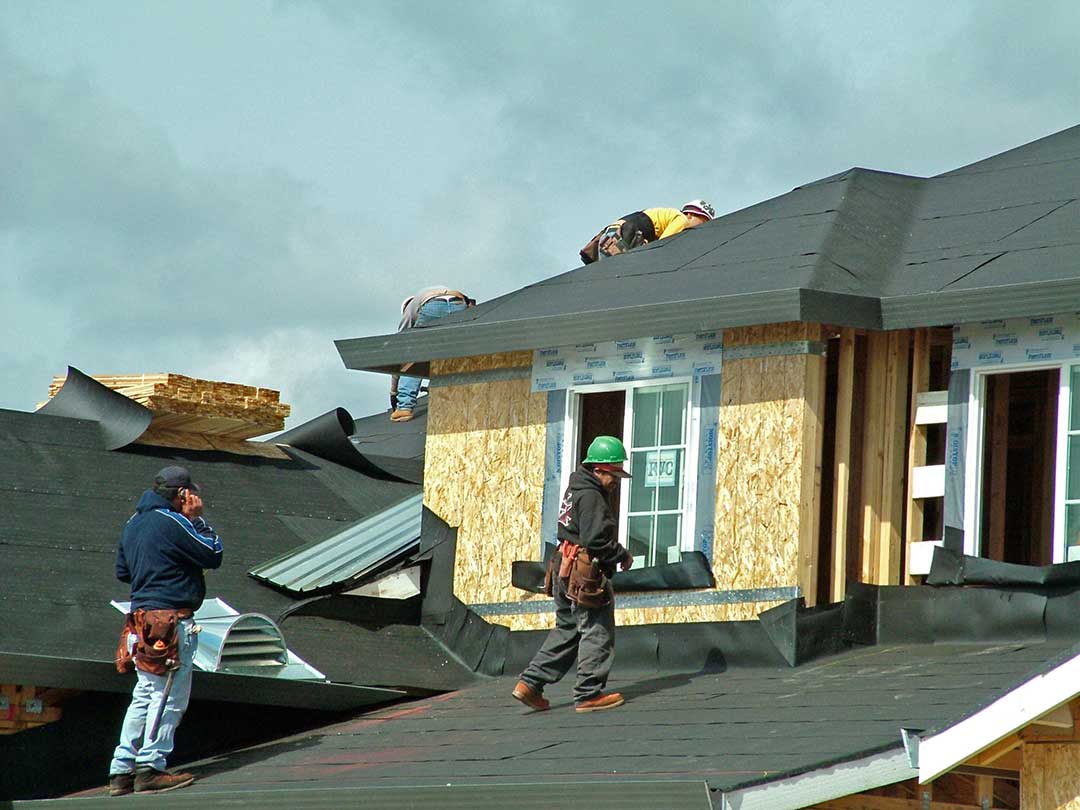
After severe weather, stay on the ground and inspect the property from a distance. Look for downed lines, broken branches, unstable gutters, and loose materials. Never approach a fallen power line, even if it appears inactive.
How should damage be documented?
Good documentation helps with household records, insurance questions, and decisions about temporary measures. Take photographs or video from safe locations before moving damaged materials, if possible.
Record:
- The date and approximate time the damage was discovered
- Weather conditions, such as wind, hail, heavy rain, or snow
- Rooms affected by water
- Visible exterior damage
- Damaged personal belongings
- Temporary steps taken to protect the interior
- Any areas that remain wet or continue to leak
Keep receipts for emergency materials, water removal, and other necessary expenses. Do not discard damaged roofing components or household items until documentation requirements are understood. Insurance policies vary, so the policy language—not assumptions about storm damage—determines what may be covered.
What should be checked after the leak stops?
A roof leak can stop temporarily while moisture remains inside the building. Wet insulation, ceiling materials, wall cavities, and attic wood may continue causing problems after the weather clears.
Check for:
- Damp or discolored insulation
- Soft or swollen ceiling panels
- Peeling paint
- Musty odors
- New stains appearing after rainfall
- Mold growth
- Wet framing or roof decking
- Warped trim around windows or exterior walls
Drying should begin as soon as conditions allow. Ventilation, fans, or dehumidification may help in appropriate areas, but electrical equipment must be kept away from standing water. Porous materials that remain wet for an extended period may need specialized assessment or replacement.
A permanent repair should identify and correct the source of water, not merely cover the visible interior stain. Depending on the damage, that may involve replacing shingles, repairing flashing, rebuilding roof decking, correcting ventilation, removing storm debris, or addressing a damaged gutter or roof edge.
How can emergency roof damage be reduced in the future?
Routine observation can reveal problems before they become urgent. From the ground, check for curling or missing shingles, sagging roof lines, clogged drainage paths, and damaged flashing. After major storms, inspect the attic and upper ceilings for new moisture.
Keep gutters and downspouts clear, but do not use gutter maintenance as a substitute for roof inspection. In snowy weather, monitor ice buildup and avoid placing ladders against unstable surfaces. Trim concerns involving nearby trees should be addressed before branches become a roof hazard.
Emergency planning also helps. Keep tarps, containers, flashlights, gloves, towels, and a basic camera or phone charger available. Know where the electrical panel and main water shutoff are located, and make sure household members understand when a roof problem requires leaving the area rather than attempting a repair.
