

How Do Pests Commonly Find Their Way Into Roofs?
Pests access roofs through even the smallest gaps and vulnerabilities. In East Syracuse, NY, typical residential roofs—especially those exposed to seasonal weather extremes—can develop openings over time, making them attractive points of entry for various critters.
Small rodents, insects, and birds are adept at finding weaknesses that are often invisible from the ground. Some of the most common entry points include:
- Gaps at roof eaves or soffits where materials have shifted or deteriorated
- Unsealed flashing around chimneys, vents, or skylights
- Damaged or missing shingles after storms or heavy snow
- Openings behind gutters clogged with debris
- Poorly sealed attic vents or wall penetrations
Regular roof assessments, especially after periods of freezing and thawing, help area households stay aware of changes that could invite pests.
What Types of Pests Affect Homes in East Syracuse?
Several pests are drawn to the shelter and warmth that an attic offers, particularly during the colder months in East Syracuse. Residents frequently encounter:
- Squirrels and mice, which can squeeze through openings as small as a quarter
- Starlings or sparrows nesting in roof cavities or gutters
- Bats entering through loose soffits or fascia boards
- Carpenter ants and wasps, which build colonies in wood or exploit tiny roof cracks
Once inside, these pests can do more than just create noise—they can damage insulation, wiring, and structural wood.
How Do Weather and Seasonal Changes Contribute?
Temperature swings, ice, snow, and storms unique to the region can create new pest entry routes.
As roofs expand and contract, small splits or separations may develop between materials. Ice dams that form along roof edges can push shingles out of place or create standing moisture, which weakens sealants. Wind-driven rain can exploit even tiny cracks. After harsh winters, it’s common for pests to discover new gaps along the roofline or at vent seams.
Residents should pay extra attention in spring or after wind or ice events, as these are times when new entry points are most likely to appear.
What Should Residents Look For As Signs of Pest Entry?
The first signs often emerge inside the attic or along the roof edges. Immediate evidence can include:
- Droppings or nesting materials near vents or eaves
- Scratching sounds from above ceilings, especially at night
- Chewed insulation, wood, or electrical wires
- Unusual odors, particularly in isolated attic areas
- Displaced insulation or sudden changes in attic temperature
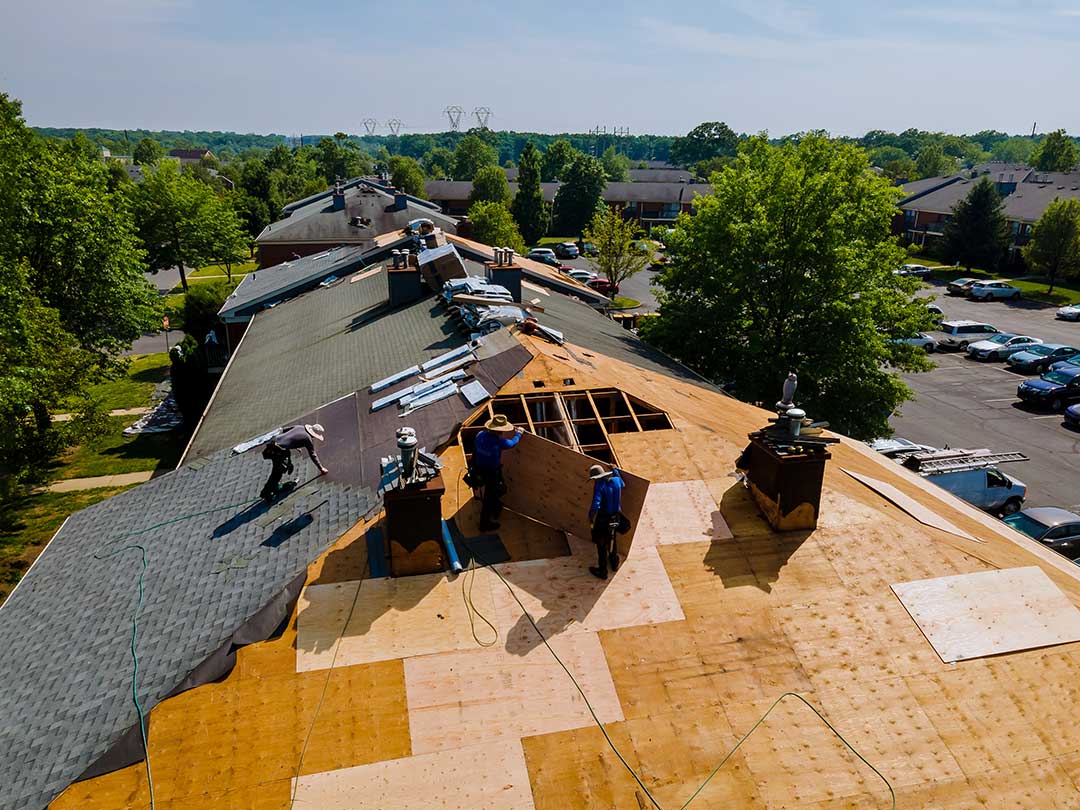
Visual inspection from the ground can sometimes reveal birds or rodents scurrying along the roofline. Checking for disturbed shingles, detached gutters, or debris build-up can offer further clues.
Why Are Some Roofs More Vulnerable Than Others?
Older homes in East Syracuse, especially those built before modern building codes, are often more susceptible to pest intrusion. Age-related shingle wear, wood rot, or shifting structures can create easy paths. Roofs shaded by large, overhanging trees also see more pest activity—branches give animals direct access above the roof where they can find or make openings.
Homes with intricate roof shapes or multiple intersecting surfaces are trickier to keep sealed, boosting the odds that small access points go unnoticed. Gutters clogged with leaves or ice provide hiding spots and keep roof edges damp, further inviting pests.
How Can Overlooked Maintenance Habits Make Matters Worse?
Small roof issues can quickly escalate when not addressed seasonally. Allowing debris such as leaves and pine needles to pile up in gutters or roof valleys means water stays trapped, accelerating decay and providing cover for animals and insects.
Ignoring minor leaks, missing shingles, or warping after storms increases the risk—pests will exploit any opportunity. Regular visual checks, especially after local storms or before winter, are key preventive steps.
Are There Local Myths or Misconceptions About Pest Entry?
Some residents believe only visibly damaged roofs attract pests, but many animals get in through tiny, barely noticeable openings rather than major holes. Another common misconception is that metal roofs are pest-proof; while they are less likely to be chewed, gaps at seams or vents offer access just the same.
It’s also easy to assume that upper floors or newer homes are immune, but even new construction can have construction gaps or settling issues that open paths to determined animals and insects.
What Steps Help Reduce Pest Entry Risks?
Effective prevention starts with practical, regular habits:
- Clean gutters at least once each fall to reduce opportunities for pests to nest or exploit moisture
- Trim back trees and shrubs so they don’t touch the house, removing “bridges” to the roof
- Inspect visible flashing, eaves, and attic vents each spring and after heavy storms for shifting or damage
- Replace or reseal compromised shingles, vent screens, or gaps immediately
If accessing the roof is difficult or unsafe, use binoculars from the ground to check for obvious damage. For persistent or recurring pest issues, safe removal often requires proper handling due to health and legal concerns related to wildlife.
