

Why Does Rain Sound So Loud on Some Roofs?
Rain noise on roofs is a common concern for many East Syracuse, NY residents, especially during heavy storms or in homes with certain roofing materials. The loudness often depends on roof type, attic insulation, and the age of the structure. Metal and flat roofs tend to amplify sound, while asphalt shingles and well-insulated attics usually reduce it.
Most homes in East Syracuse were built to handle local weather extremes, but not all are tuned for acoustic comfort. Factors unique to this region, like variable rainfall intensity and the prevalence of older housing stock, can affect noise levels. Flat or low-pitch roofs, sometimes found on garages and additions, also tend to transfer more sound directly into living spaces.
Are Some Roofing Materials Naturally Quieter Than Others?
Yes, the material on your roof plays a big role in how rain sounds inside your home. Asphalt shingles—common across the city—generally absorb and diffuse rain impact better than metal, tile, or single-layer membrane roofs. Metal roofs, while durable and long-lasting, can significantly amplify rainfall noise if installed without an insulating underlayment.
For those building new or planning major renovations, choosing a composition (asphalt shingle) roof does help dampen rain sounds. For existing homes with noisier roofs, other approaches can improve the situation without a full replacement.
What Home Features Impact Rain Noise the Most?
Several building features directly affect how much rain noise makes it indoors. The most influential factors include:
- Quality and thickness of attic insulation
- Presence of solid roof decking (like plywood beneath shingles)
- Ceiling type (drywall ceilings reduce sound better than open beams)
- Condition and gaps in windows or attic vents
In East Syracuse, where seasonal shifts can harden or loosen roofing materials, changes in the structure over time may slightly increase sound transmission. Homeowners sometimes overlook attic insulation and under-decking as potential noise solutions.
How Can Adding Attic Insulation Help?
Adding more insulation in the attic is one of the most effective ways to quiet rain sounds. Expanded or blown-in cellulose, fiberglass batts, and foam boards all act as sound barriers, absorbing the impact vibrations before they reach room ceilings.
Most older homes in the area were built before modern insulation standards. Retrofitting with newer, denser materials makes a noticeable difference. Even an additional layer over existing insulation helps, especially in bedrooms or living areas directly under the roof. Attic insulation also offers winter heating benefits—a useful bonus given East Syracuse’s longer cold season.
Do Roof Decks and Underlayment Choices Matter?
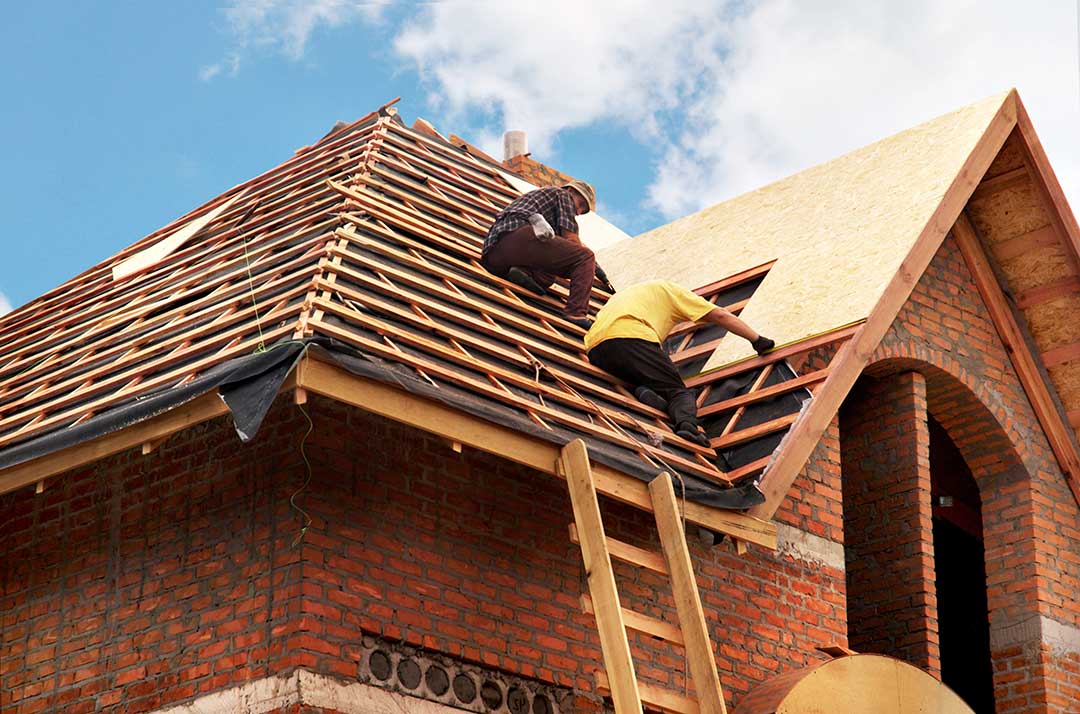
Beneath shingles or metal panels, the roof deck and underlayment play a hidden but substantial role in noise reduction. Roof decks made of tongue-and-groove, plywood, or OSB (oriented strand board) provide a solid surface that muffles sound. Rigid roof decks are standard in homes built after the 1970s but may be missing or thin in older or modified structures.
Modern underlayment options, including synthetic felts or rubber membranes, help absorb sound and water. During re-roofing or major repairs, requesting thicker or double-layered underlayment can make rain noticeably quieter.
What Are Simple Interior Fixes Residents Can Try?
You don’t always need to work on the roof itself to reduce noise. Small adjustments inside the home can help:
- Hanging thick curtains or adding area rugs softens overall noise indoors
- Installing acoustic ceiling tiles in top-floor rooms adds a buffer layer
- Sealing gaps around windows, doors, and attic hatches keeps outside sounds from entering through indirect airways
- Keeping attic doors closed further buffers living spaces from attic-originating noise
While these measures won’t silence a loud roof, they can noticeably mute the sharpest rain sounds and are the most DIY-friendly.
Are There Common Myths About Quieting Noisy Roofs?
A few misconceptions sometimes mislead homeowners:
- "Replacing only part of the roof will fix the noise." Partial repairs don’t usually solve acoustics unless the underlying noise source is localized (like an improperly installed vent or a section of loose metal).
- "All metal roofs are noisy no matter what." With modern underlayment and attic insulation, even metal roofs can be fairly quiet.
- "Soundproof paint or coatings will silence the rain." These products may tone down echoes in bare metal sheds but have little effect in typical residential construction.
It’s also often thought that rain noise is only a nuisance during severe storms, but steady moderate rainfall can cause sleep disturbances depending on how sound travels in a given home.
When Should Residents Seek Professional Advice?
Generally, most noise-reducing efforts can be tackled without outside help. However, if rain noise is accompanied by other signs—such as leaks, visible roof sagging, or drafts in the attic—it may signal structural or moisture concerns. In such cases, an expert assessment ensures that any repairs or upgrades address both sound and safety, which is especially relevant heading into the wetter seasons in East Syracuse.
What About Apartment Dwellers and Townhomes?
Those living in multi-family buildings often have fewer direct options, but some strategies still help:
- Confirming with building management that attic insulation meets recommended levels
- Using white-noise machines or fans to mask sudden roof sounds during storms
- Opting for upper-floor window treatments designed for sound blocking
Renter-friendly approaches focus on the interior environment rather than exterior modifications.
—
For local homeowners, a combination of attic insulation, improved underlayment, and smart indoor adjustments can make rainy nights much quieter and more comfortable—with steps that benefit both peace of mind and home energy efficiency.
