

What Are Soffits and Fascia?
Soffits and fascia are key components of a home’s roofing system, even though they’re often overlooked. The soffit is the horizontal board located under the overhanging edge of the roof, bridging the gap between the siding and the roofline. Fascia is the vertical board that runs along the lower edge of the roof, just behind the gutters. Both work together to protect and ventilate the area beneath the roof.
Why Do Homes in East Syracuse, NY Need Soffits and Fascia?
Area homes experience a range of weather—snow, freezing temperatures, summer humidity, and heavy rain. Soffits and fascia play a crucial role in keeping roof structures solid through these changing conditions.
- Soffits help ventilate attic spaces, reducing the risk of moisture build-up and ice dams during winters.
- Fascia provides a mounting point for gutters, which is essential during the rainy seasons to direct water safely away from the home.
- Both parts limit the entry of pests and small animals that sometimes seek shelter during cold months in the city.
How Do Soffits and Fascia Prevent Damage?
The main job of these components is protection. By sealing the area under the roof edge, they keep water, debris, and animals from entering the attic or wall cavities. Proper ventilation through the soffit prevents humidity buildup, which can cause mold growth, wood rot, and deterioration of insulation. If water backs up due to clogged or poorly mounted gutters (which often happens when heavy snow melts in the spring), a sturdy fascia helps prevent that water from seeping into the roof’s edge.
What Materials Are Used, and How Do They Hold Up in the Local Climate?
Soffits and fascia can be made from wood, vinyl, aluminum, or composite materials. In East Syracuse, common choices include:
- Vinyl and aluminum: These resist moisture and are not prone to rot—advantages in areas with snow and freeze/thaw cycles. They require less maintenance than wood and often hold up well through wet springs and winters with abundant precipitation.
- Wood: While sometimes chosen for historic or classic homes, wood needs regular maintenance. Without periodic sealing or painting, it’s more vulnerable to rot and insect damage in the local climate.
- Composite: These mimic the appearance of wood but offer better moisture resistance.
Local residents often notice that vinyl and aluminum soffits and fascia tend to last longer without warping, cracking, or peeling, especially in homes exposed to direct sun and snowmelt run-off.
How Can You Tell If Your Soffits or Fascia Need Attention?
Homeowners sometimes miss early signs of wear. Look out for:
- Peeling paint or discoloration on the fascia (which may mean water is backing up under the eaves)
- Cracks, holes, or sagging sections in soffits
- Visible mold, mildew, or insect activity
- Gutter instability (loose gutters often signal fascia damage)
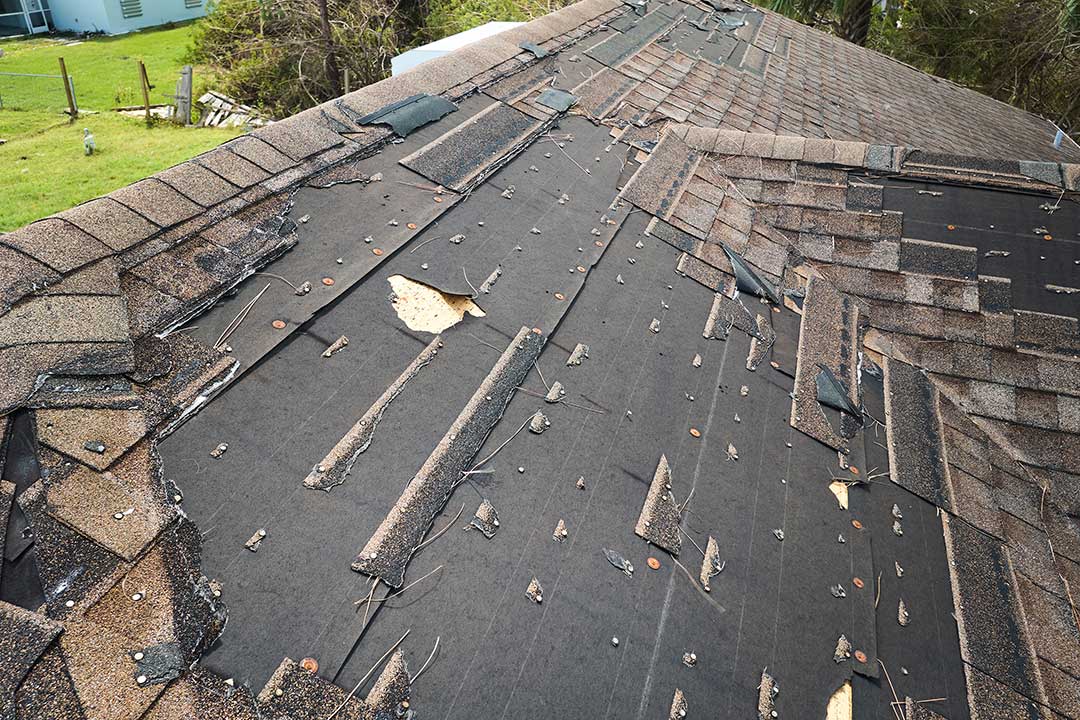
Ignoring deterioration can lead to more extensive—and expensive—roof repairs. Paying attention to early signs helps maintain the integrity of the entire roof structure.
What Happens If Soffits or Fascia Are Missing or Damaged?
Without these parts, homes are more vulnerable to problems. In severe winter conditions, ice dams may form and force water under roof shingles. This can lead to interior ceiling stains, insulation problems, or even structural damage over time. Birds, squirrels, and insects may find entry points into attics during cold stretches, leading to pest infestations.
Small leaks that begin at the roof edge can spread and cause hidden damage to insulation, rafters, or even walls. Repairing or updating soffit and fascia sections before problems escalate can prevent more costly fixes later.
Are There Special Considerations for Homes in East Syracuse?
Homes here often have gutters sized for heavy rainfall and snowmelt. That means the fascia needs to support added weight in the spring and winter. Blocked soffits—sometimes caused by insulation or old paint—can reduce airflow and worsen condensation issues in attics, especially in older houses.
Residents may encounter pest activity, especially in wooded neighborhoods or near local parks. Keeping soffit vents screened and intact helps deter unwanted guests. Regular checks, especially after each winter, are key for catching ice or water-related damage to these areas.
Common Myths About Soffits and Fascia
Some area homeowners assume these features are only for aesthetics, since they create a finished look for eaves. In reality, their structural and protective functions are essential for health, safety, and the long-term value of the property.
Another misconception is that only older homes need attention—however, newer houses can develop issues if materials were installed incorrectly or if gutter systems are overloaded by seasonal weather.
Practical Steps for Care and Maintenance
Most maintenance involves regular visual checks. Clearing leaves and debris from gutters helps avoid water backup that damages fascia. During routine roof or gutter cleaning, check soffits for cracks and ensure vents aren’t blocked by insulation or nests.
If repainting, use materials appropriate for East Syracuse’s freezing and thawing cycles. Most small cracks or signs of mold can be addressed promptly to prevent spread. For larger issues involving structural wood rot or animal infestations, it may be necessary to consult someone with specific experience in safe repairs, especially if ladders, mold, or electrical lines are involved.
