
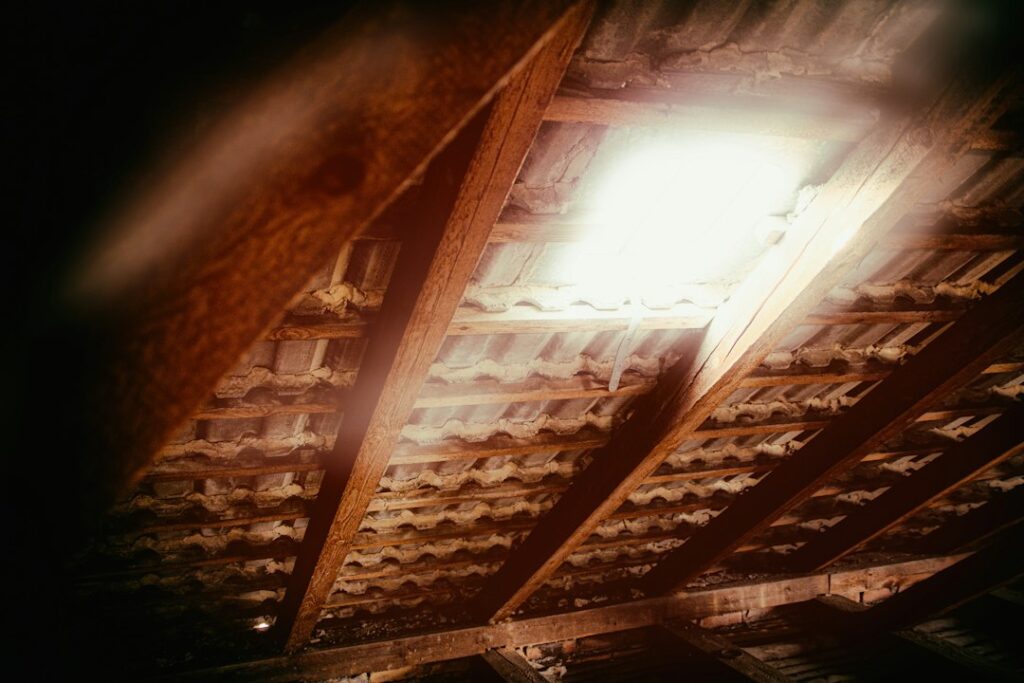
A roof replacement can help reduce energy bills when the existing roof has poor insulation, air leaks, moisture damage, or inadequate ventilation. The savings usually come from improving the entire roof system—not simply installing new shingles.
For households in East Syracuse, seasonal temperature changes make roof performance especially relevant. Cold winters increase heating demand, while sunny summer weather can raise attic temperatures and add to the workload of air-conditioning equipment.
Can replacing a roof lower energy bills?
Yes, but the amount depends on what is replaced and how much energy loss the existing roof allows. New shingles alone may have a limited effect if the attic floor is underinsulated or air leaks remain around light fixtures, wiring, chimneys, and plumbing penetrations.
A roof replacement can improve energy efficiency by addressing several connected components:
- Roof decking that has been damaged by moisture
- Underlayment that no longer provides reliable protection
- Attic insulation that is thin, compressed, or uneven
- Ventilation that allows heat and moisture to escape
- Gaps that allow conditioned air to leak into the attic
- Roofing materials that absorb or reflect different amounts of solar heat
The greatest improvement often comes from correcting hidden problems discovered during the replacement process.
Why does the attic matter so much?
The attic is one of the most important parts of a home's energy envelope. Heat naturally moves from warmer areas toward cooler areas. During winter, indoor heat can rise into the attic and escape through insufficient insulation or air leaks. During summer, heat collected beneath the roof can move downward and make upper rooms uncomfortable.
A properly insulated attic slows this transfer. Air sealing limits uncontrolled movement through gaps. Ventilation helps manage heat and moisture within the attic space, but it should not be used as a substitute for insulation.
A roof replacement is an opportunity to inspect these conditions. If the roofing surface is renewed but the attic remains poorly insulated, energy savings may be smaller than expected.
How can a roof replacement help during winter?
During cold weather, a sound roof system helps keep the building enclosure dry and reduces drafts caused by openings near the attic. Moisture damage can compress insulation, lower its performance, and create areas where heat escapes more easily.
Winter-related improvements may include:
- Replacing sections of damaged roof decking
- Restoring insulation that has been disturbed or affected by moisture
- Sealing penetrations between the living space and attic
- Correcting blocked or poorly arranged ventilation paths
- Preventing air movement around attic hatches and other openings
These measures can make heating more consistent, particularly on upper floors. They may also reduce cold spots and lessen the formation of attic frost caused by warm, moist indoor air reaching cold roof surfaces.
A roof does not directly produce heat savings by itself. Instead, it helps preserve the energy already used to heat the home.
Can a new roof make a home cooler in summer?
It can. Roofing materials absorb solar radiation, and dark or poorly ventilated roof assemblies can become much hotter than the surrounding air. Some roofing products reflect more sunlight or release heat more effectively, although material color and design are only part of the equation.
Summer comfort also depends on:
- Attic insulation levels
- Air sealing between the home and attic
- Ridge, soffit, gable, or other ventilation arrangements
- Ceiling height and room layout
- Window exposure and shading
- The efficiency of the cooling system
A well-designed roof assembly can reduce heat transfer into the attic and upper living areas. This may help air-conditioning equipment run for shorter periods, but the result varies widely from one house to another.
What roofing materials are most energy efficient?
There is no single best material for every home. Energy performance depends on the complete assembly, including the roof covering, underlayment, ventilation, insulation, and roof color.
Reflective or lighter-colored roofing surfaces may absorb less solar heat than darker surfaces. Some specialized roofing products are designed to reflect more sunlight, but their usefulness depends on roof orientation, surrounding shade, attic construction, and local weather conditions.
In a cold-winter climate, a roof should not be evaluated only by summer reflectivity. Durability, resistance to wind and ice, moisture control, and compatibility with the existing structure also matter. A material that performs well in one climate or roof design may not provide the same value in another.
Does roof ventilation reduce energy costs?
Proper ventilation can support energy efficiency, but more ventilation is not automatically better. The system must allow air to enter and exit through intended pathways without drawing conditioned air from the living space.
A balanced attic ventilation system can help:
- Release excess heat during warm weather
- Reduce moisture accumulation
- Limit condensation on cold roof surfaces
- Support the long-term performance of insulation and roof materials
Problems arise when vents are blocked, poorly placed, or installed without adequate intake. Exhaust vents alone may not provide effective airflow. In some homes, excessive ventilation can also allow wind-driven snow or rain to enter if the roof system is not properly detailed.
How much can homeowners expect to save?
There is no reliable flat percentage for every roof replacement. Energy savings depend on the home's size, age, insulation levels, air leakage, heating fuel, utility rates, weather, and occupant habits.

A replacement is more likely to produce noticeable savings when:
- The existing roof has significant air leakage or moisture damage
- Attic insulation is below modern expectations
- Upper rooms become unusually hot or cold
- Heating and cooling equipment runs for long periods
- The roof replacement includes air sealing and insulation improvements
- The old roof has poor ventilation or deteriorated decking
If the attic is already well insulated and sealed, replacing shingles may improve weather protection and durability without substantially changing monthly energy use.
What should be checked before replacing the roof?
A roof assessment should include more than the visible shingles. Useful questions include:
- Is the attic insulation deep, continuous, and dry?
- Are there water stains, mold-like growth, or damp materials?
- Can daylight be seen through unintended gaps?
- Are soffit and exhaust vents clear and properly connected?
- Is the attic hatch insulated and weatherstripped?
- Are bathroom or kitchen exhaust ducts releasing moisture into the attic?
- Are roof penetrations sealed without restricting necessary movement?
- Is the roof decking solid enough to support new materials?
Some issues, such as active leaks, damaged electrical wiring, structural deterioration, or suspected mold, can create safety concerns and may require qualified evaluation.
What is a common misconception about energy-efficient roofing?
A common misconception is that installing new shingles automatically produces large energy savings. Shingles protect the structure, but most heat loss occurs through gaps, inadequate insulation, and weak points in the building envelope.
Another misconception is that attic ventilation alone will solve a hot or cold attic. Ventilation helps manage conditions above the insulation, while air sealing and insulation control heat movement between the home and attic.
For many properties, the most effective energy-related improvement made during a roof replacement is a coordinated upgrade to insulation, air sealing, moisture control, and ventilation. The roof covering remains essential, but it is only one part of the system.
How can energy savings be evaluated afterward?
Compare energy use by looking at similar billing periods before and after the work, while accounting for changes in weather and household routines. A colder winter, a hotter summer, a new heating appliance, or changes in occupancy can affect bills independently of the roof.
Useful signs include:
- More even temperatures between floors
- Fewer drafts near ceilings and attic access points
- Reduced condensation or frost in the attic
- Shorter heating or cooling cycles
- Less need for supplemental fans or space heaters
The clearest results usually come from treating the roof as part of the whole home envelope. In East Syracuse, that approach can improve comfort, protect the structure from seasonal moisture, and reduce unnecessary energy loss over the life of the roof.
